
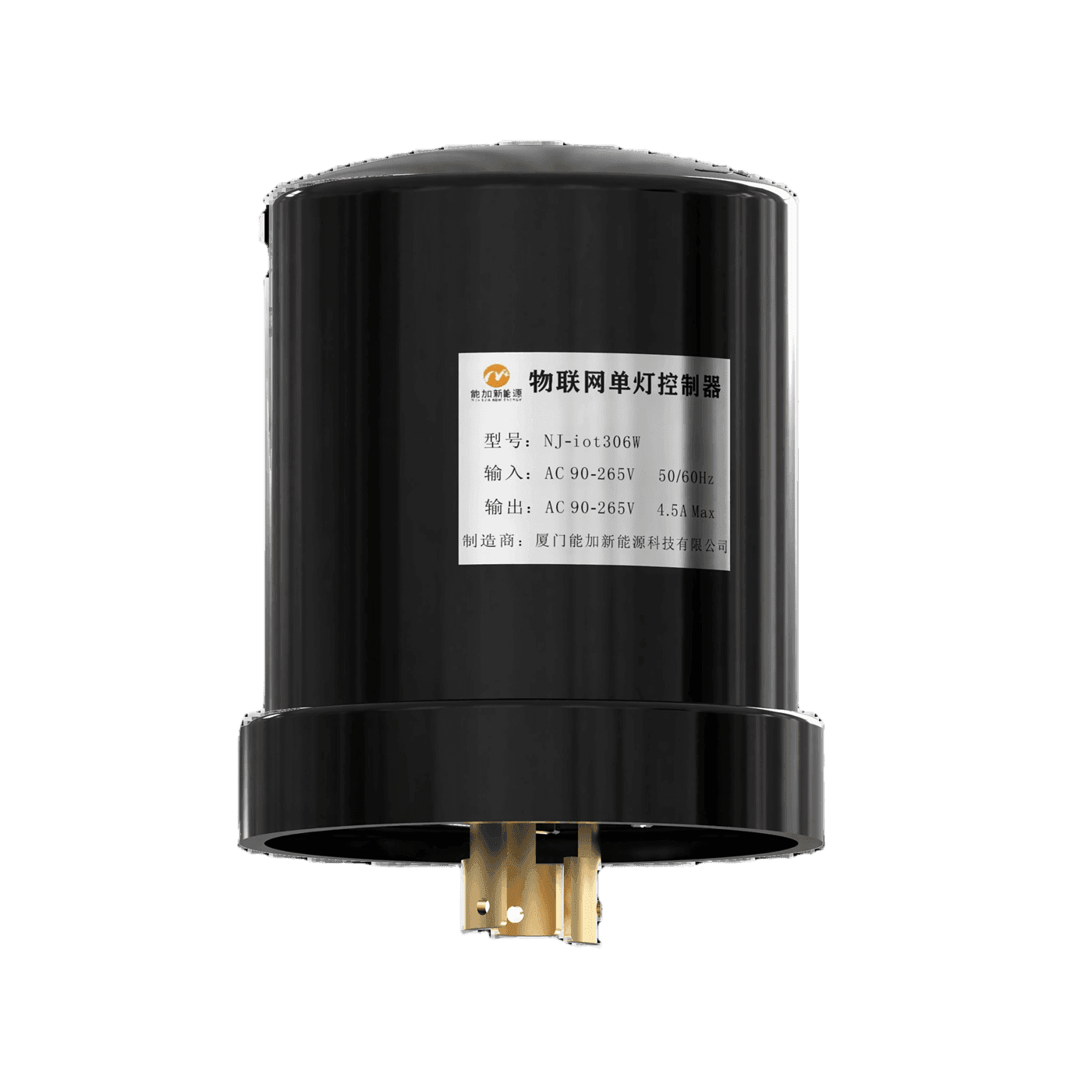
Wi-SUN Street Light Controllers
Wi-SUN street light controllers for dense mesh lighting networks, enabling lamp-level dimming, metering, schedule control, and real-time alarms through gateway backhaul.
Description
Wi-SUN street light controllers for dense mesh lighting networks, enabling lamp-level dimming, metering, schedule control, and real-time alarms through gateway backhaul.
- Connectivity and interfaces: Wi-SUN, Gateway mesh, NEMA, 1-10V, PWM, Power metering, IP65
- Controller family covered: Wi-SUN single-lamp controller and Wi-SUN solar controller configurations
- Network: Wi-SUN mesh paired with a gateway for city lighting networks
- Control: Lamp-level switching, 1-10V/PWM dimming, schedules, and group policies
- Monitoring: Power metering, controller online status, fault alarms, OTA upgrade options, and field operating data
- Deployment scale: Dense roadway, campus, park, and urban lighting networks where resilient mesh coverage is needed
Specifications
Review the main configuration points for Wi-SUN Street Light Controllers, including control method, network, monitoring, interfaces, and deployment fit.
- Controller family covered
- Wi-SUN single-lamp controller and Wi-SUN solar controller configurations
- Network
- Wi-SUN mesh paired with a gateway for city lighting networks
- Control
- Lamp-level switching, 1-10V/PWM dimming, schedules, and group policies
- Monitoring
- Power metering, controller online status, fault alarms, OTA upgrade options, and field operating data
- Deployment scale
- Dense roadway, campus, park, and urban lighting networks where resilient mesh coverage is needed
Application scenarios
- Large municipal lighting networks that need mesh communication instead of direct cellular at every pole.
- Smart lighting projects where lamp-level alarms and metering are managed through local gateways.
- Solar or mains-powered street lights that need Wi-SUN-compatible field networking.
Product buyer FAQ
What is Wi-SUN Street Light Controllers used for?
Wi-SUN street light controllers for dense mesh lighting networks, enabling lamp-level dimming, metering, schedule control, and real-time alarms through gateway backhaul.
Which specifications should I check before ordering?
Check the listed supply voltage, interfaces, communication network and regional configuration against your project requirements. Ask NetJoin to confirm any unspecified options or differences between document revisions.
Next steps
Share quantity, interface, communication method, location, and platform requirements so the engineering team can confirm fit.